Reform UK’s 10% VAT for Hospitality: popular politics, problematic tax policy
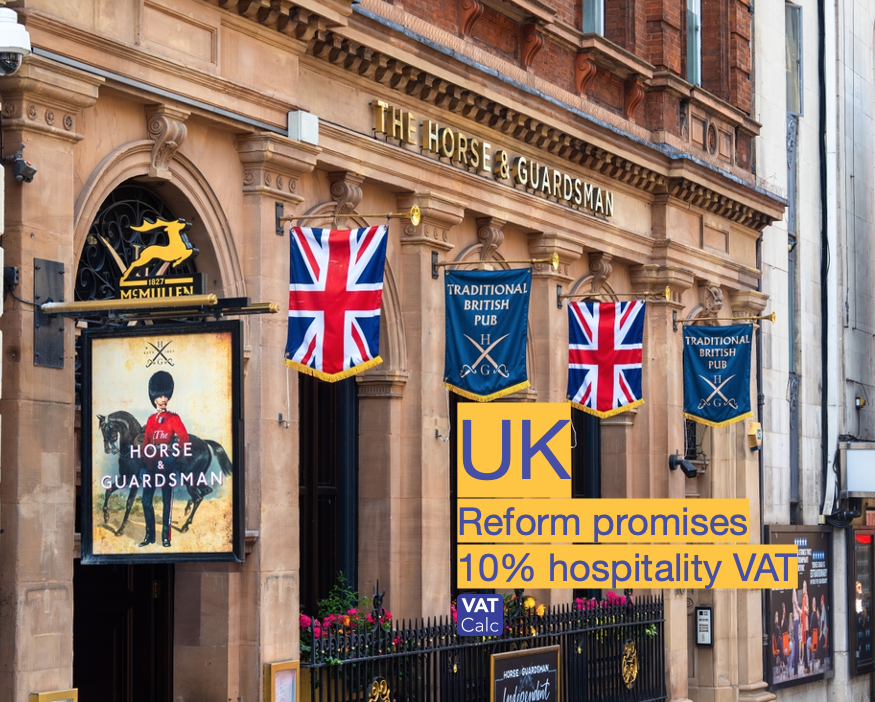
Nigel Farage’s Reform UK Party – which is leading in UK opinion polls – announcement of a five-point rescue package for Britain’s pub and hospitality sector has landed with predictable appeal. At its centre is a simple, eye-catching pledge: reduce VAT on hospitality from 20% to 10%. The plan will be paid for by reinstating the two-child benefit on Universal Credit limit for everyone except for British working families.
This would replicate similar January 2026 German hospitality VAT cut to 7%.
But whist a popular gesture for a struggling sector, it lacks tax and economic sense.
UK VAT – not in need or more ‘Jaffa Cake’ VAT distortions
VAT is designed to apply broadly so that tax does not distort consumer choice. Creating a special 10% rate for “hospitality” immediately breaks that neutrality and turns VAT into a classification exercise.
The UK already struggles with complexity from historic carve-outs (food, energy, exemptions). Adding hospitality to the reduced-rate list would introduce another large grey area into an already intricate system.
VAT Cuts Rarely Reduce Prices
Evidence from EU hospitality VAT cuts shows limited pass-through to consumers. In margin-pressured sectors, businesses typically retain the benefit to repair cashflow rather than cut prices.
This may help operators, but it is not a consumer tax cut — and it is an expensive way to provide business support.
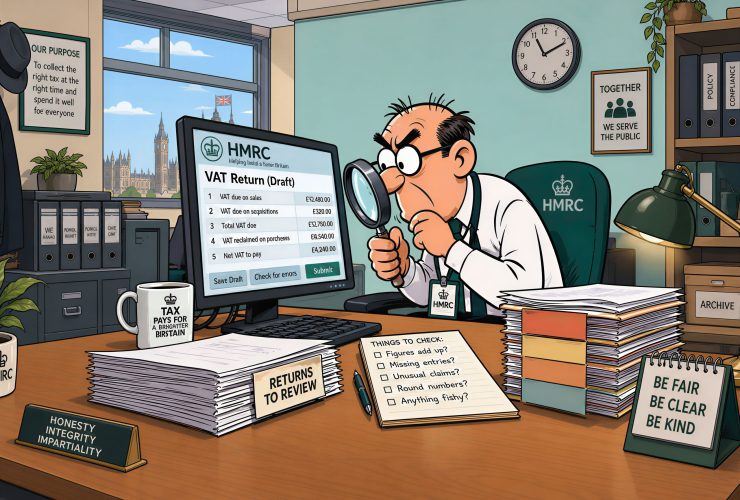
The definition problem HMRC would face
Reform UK refers to the “entire hospitality industry,” but VAT law demands precision. HMRC would need to rule on questions like:
|
Scenario |
10% VAT? |
Why it’s problematic |
|---|---|---|
|
Pint in a pub |
Yes |
Core case |
|
Pint in a hotel bar |
Yes? |
Same supply, different venue |
|
Café eat-in vs takeaway |
Depends |
Consumption method matters |
|
Pub takeaway beer |
No? |
Retail vs hospitality |
|
Stadium or event bar |
Unclear |
Hospitality or entertainment? |
These were the exact disputes seen during the COVID VAT reductions, generating complex guidance and widespread errors.
Compliance Burden on the Very Businesses Being Helped
Pubs and restaurants would need POS reconfiguration, staff training, and tighter VAT controls. At a time when tax systems are moving toward simpler digital reporting, this adds complexity and audit risk.
Better Tools Exist to Help Pubs
If the goal is to protect community pubs, VAT is indirect and poorly targeted. A VAT cut benefits hotels, chains, and tourist venues as much as local pubs.
More effective levers include:
-
business rates reform for pubs,
-
beer duty cuts,
-
employer NI relief,
-
energy support,
-
planning protections.
These target pub cost structures without distorting VAT.
In short – doesn’t make fiscal, economic or business sense
A 10% hospitality VAT rate is:
-
economically inefficient,
-
unlikely to lower prices,
-
administratively complex,
-
and poorly targeted.
It is popular politics, but weak tax design. If the objective is to save pubs, there are far cleaner ways to do it than breaking VAT neutrality.