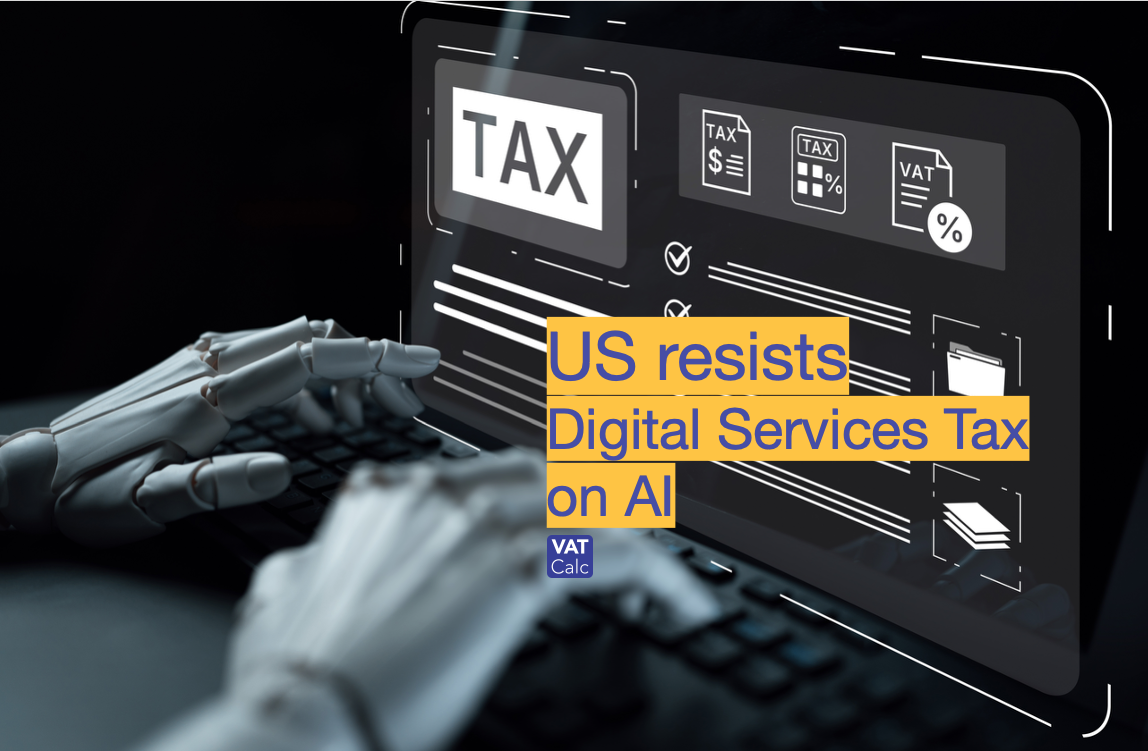
Artificial Intelligence taxation risks making complex OECD Digital Services Tax negotiations impossible to conclude
US Treasury representative
The United States has warned against expanding global Digital Services Tax (DST) discussions to include Artificial Intelligence, arguing that doing so could derail already difficult international negotiations. This comes as countries struggle to develop tax on AI income.
Speaking at the Organisation for Economic Co-operation and Development on 23 June 2026, the US Treasury’s Rebecca Burch (Deputy Assistant Secretary for International Tax Affairs at the U.S.) said that while there may be pressure to include AI-generated revenues within the scope of future digital taxation rules, the technology is simply too difficult to define for tax purposes.
According to Burch, attempting to tax AI activities would make it almost impossible to establish an agreed scope for the OECD’s digital economy work. Attempts to settle global taxing on digital services has largely stalled at the OECD Pillar 1 negotiations.
AI becomes the next frontier in digital taxation
The comments underline a growing policy debate over whether AI-generated services, models and platforms should eventually fall within Digital Services Taxes or any future multilateral replacement.
Many existing DST regimes focus on revenues from online advertising, digital marketplaces and social media platforms. However, the rapid commercialisation of generative AI has prompted some governments to question whether AI providers should also become subject to similar taxes.
The United States, home to many of the world’s largest AI developers, is signalling that it does not support broadening the current negotiations.
President Trump threatens retaliation on DST’s
Since returning to the White House, President Trump has threatened DST retaliatory tariffs and other trade measures against countries that impose DST’s on large, US multimedia companies.
How VATCalc has been using AI for years for tax determination
See how VATCalc is applying Artificial Intelligence since 2022 to enhance VAT determination and reporting:
- AI Copilot to help manage work and uncover issues
- AI and item classification in VAT determination;
- Tax advice generated by AI from our VAT expert-maintained tax engine
- Tax code mapping with AI to reduce significantly tax engine implementations and testing