Non-resident digital goods and services VAT obligations to be modernised
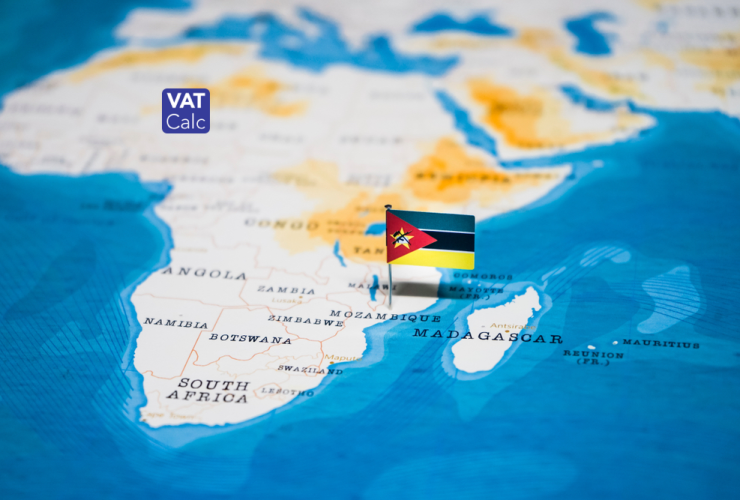
Mozambique’s Council of Ministers proposed changes to the Tax Laws for 2025 have now come into effect from 1 January 2026.
These impose VAT on non-resident digital services providers. There is no registration threshold, and foreign providers should appoint a local fiscal representative.

Expanding VAT to digital supplies
Under the new legislation, VAT at the standard rate of 16% applies to digital goods and services supplied to consumers in Mozambique, irrespective of whether the supplier is established locally or overseas, and whether or not the supplier has a permanent establishment in the country.
The legislative changes distinguishes between digital goods and services.
What constitutes digital goods?
Digital goods are defined broadly as intangible assets delivered or represented electronically that carry economic value and can be owned, transferred, licensed or controlled by digital means. The scope extends well beyond traditional software and includes, for example:
- Digitised content and datasets used for commercial purposes
- Cryptocurrencies and other virtual assets
- E-books and similar publications
- Social media profiles and digital accounts
- Access credentials, identifiers and functionally equivalent virtual assets
The definition is deliberately technology-neutral, capturing both existing products and future digital asset types.
Scope of digital services
Digital services are characterised as intangible services supplied electronically through platforms, software, networks, algorithms or digital infrastructure. These services enable users to access, create, store or process information, or to carry out transactions remotely, regardless of the physical location of the parties.
The rules cover automated services as well as services involving limited human intervention. Examples include SaaS offerings, cloud computing, streaming and media services, digital financial services, online marketplaces and other forms of digital intermediation.
Reverse charge for B2B non-resident suppliers
Where digital goods or services are supplied by non-resident providers to Mozambican tax residents, the VAT would be accounted for under a reverse charge mechanism. The recipient of the supply would be responsible for declaring and paying the VAT, in accordance with implementing regulations that are still to be issued.
This approach reduces the administrative burden on overseas suppliers while ensuring tax collection within Mozambique.
Global outlook for VAT on digital services
VATCalc’s global VAT and GST on digital services blog keeps a live update on how countries are imposing indirect taxes on non-resident providers and electronic marketplaces.
Registering and completing Mozambican or other global VAT or GST returns is complex, time consuming and fraught with tax liability risks. VAT Calc’s single platform VAT Filer can accurately complete any country filings with verified transactional data from our VAT Calculator or VAT Auditor integrated tools.
Africa & Middle East VAT on digital services
| Comments (click for details) | Rate | Date | Threshold | Comments |
| Algeria | 9% | Jan 2020 | Nil | |
| Angola | 14% | Oct 2019 | – | |
| Bahrain | 10% | Jan 2019 | Nil | |
| Benin | 18% | Oct 2023 | TBC | |
| Burkina Faso | 10% | Jan 2025 | ||
| Botswana | 14% | Jun 2026 | - | |
| Cameroon | 19.5% | Jan 2020 | XAF 50 million | |
| Cape Verde | 15% | Jan 2022 | Nil | |
| Chad | 17.5% | Jan 2024 | Extending to platforms Jan 2025 | |
| Congo, Democratic Republic | 16% | Jul 2026 | - | |
| Egypt | 14% | Sep 2016 | EGP 500,000 | |
| Ethiopia | 15% | Aug 2024 | ETB 2 million | |
| Ghana | 20% | Apr 2022 | GHS 200,000 | |
| Guinea | 18% | Jan 2016 | Nil | |
| Israel | 18% | TBC | – | Proposals withdrawn |
| Ivory Coast | 18% | 2022 | - | |
| Jordan | 16% | JOD 30,000 | ||
| Kenya | 16% | Sep 2013 | - | Registration threshold removed 2023 |
| Kuwait | 5% | Jan 2024? | - | TBC |
| Liberia | 18% | 2026 | ||
| Madagascar | 20% | Nil | Collections via fiscal rep | |
| Malawi | 17.5% | Apr 2026 | ||
| Mauritania | 16% | Aug 2026 | ||
| Mauritius | 15% | 2026 | MUR 3m | |
| Morocco | 20% | 2024 | ||
| Mozambique | 16% | 2026 | Nil | |
| Niger | 19% | Jan 2025 | ||
| Nigeria | 7.5% | Jan 2020 | $25,000 | |
| Oman | 5% | Apr 2021 | OMR 35,000 | |
| Rwanda | 18% | Apr 2026 | ||
| Saudi Arabia | 15% | Jan 2018 | Nil | |
| Senegal | 18% | Jul 2024 | Nil | Fiscal representative required |
| Sierra Leone | 15% | Jan 2021 | SLE 100,000 | No non-resident rules |
| South Africa | 15% | Jun 2014 | ZAR 1 million | |
| Tanzania | 18% | Jul 2022 | Nil | Residents since Jul 2015 |
| Togo | 18% | Feb 2026 | Nil | |
| Tunisia | 19% | Jan 2020 | Nil | Withholding VAT; 3% Royalty Tax |
| Uganda | 18% | Jan 2020 | UGX 150m | |
| United Arab Emirates | 5% | Jan 2018 | AED 375,000 | |
| Zambia | 16% | Jan 2024 | Fiscal Representative req'd | |
| Zanzibar | 18% | Jan 2027 | ||
| Zimbabwe | 15.5% | Jan 2020 | Nil |