European governments turn to VAT hikes to discourage sugary and energy drink consumption
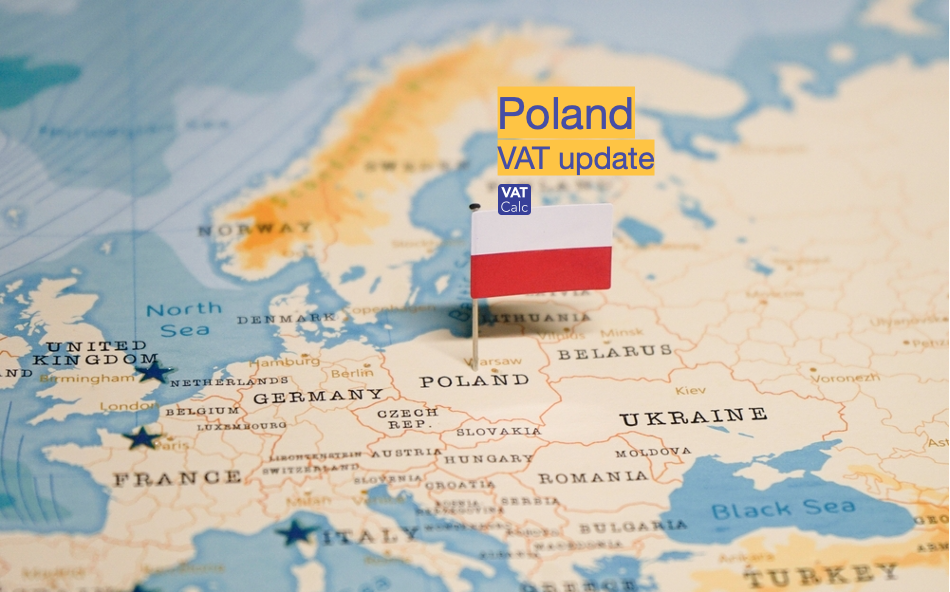
The Polish government is preparing to raise the reduced VAT rate applied to certain non-alcoholic drinks, including energy drinks and low-alcohol substitutes such as 0.0% beers.

Under the draft legislation amending the Act on tax of goods and services released last week for consultation, beverages containing at least 20% fruit or vegetable juice will no longer benefit from the same preferential treatment as before. Drinks with added caffeine or taurine — such as popular energy products — are among those targeted. The proposal is expected to reach the Council of Ministers before the end of 2025.
See more in Polish VAT guide.
This measure mirrors a wider European trend of using VAT policy to address public health and consumption habits. Several EU Member States have already introduced similar steps:
- Slovakia has recent similar legislation
- Romania has already change VAT on fizzy drinks in 2023
- Hungary applies one of Europe’s highest VAT rates on high-sugar drinks under its “public health tax”;
- Finland and Estonia have introduced excise and VAT adjustments to make energy drinks and sodas more expensive;
- Portugal differentiates its VAT rates on soft drinks based on sugar content; and
- France supplements its standard VAT with a “soda tax” designed to cut sugar consumption.
If enacted, the reform would move the country closer to this European model, using fiscal levers within the VAT system to influence dietary choices and generate additional budget revenue.