
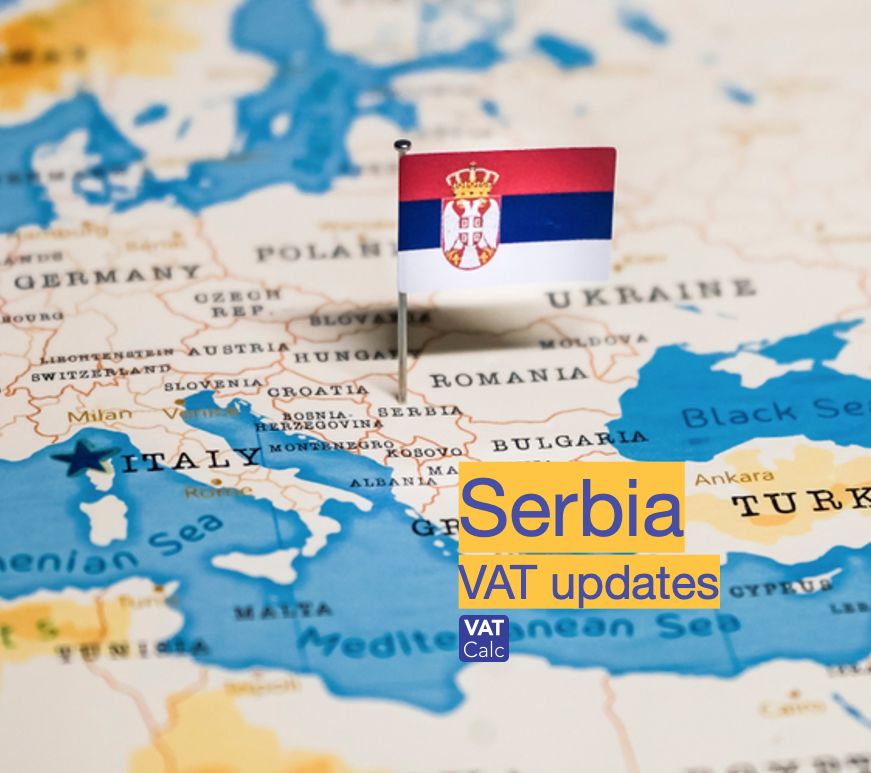
Serbia delays Pre-Filled VAT Returns; introduces wide-ranging VAT amendments
-
Serbia has postponed the introduction of pre-filled VAT returns until January 2027, giving taxpayers additional time to prepare. This reflects the timing of the 2027 e-invoicing mandate
-
New VAT amendments tighten rules on invoicing, tax base adjustments, and input VAT deductions, with stricter timing and documentation requirements.

- Further alignment with digital VAT controls continues, including mandatory use of the electronic invoicing system for internal invoices.
Serbia has formally adopted a new package of VAT reforms, including a postponement of its long-anticipated preliminary (pre-filled) VAT return. The Law on Amendments to the Value Added Tax Law was approved by Parliament on 3 December 2025 and published in the Official Gazette on 4 December 2025. While the law enters into force on 12 December 2025, most measures will apply from 1 April 2026, with several important exceptions.
Pre-filled VAT returns delayed by one year
The most notable change is the deferral of Serbia’s preliminary VAT return regime. Initially expected to apply earlier, the introduction has now been postponed by one year and will first apply to:
-
the January 2027 VAT period for monthly filers; and
-
the January–March 2027 period for quarterly filers.
This delay provides businesses with additional time to adapt their systems and processes, particularly those linked to Serbia’s electronic invoicing framework.
Mandatory use of SEF electronic invoicing system
A further step in Serbia’s digital VAT strategy is the requirement that internal invoices be prepared within the electronic invoicing system (SEF) where the taxpayer is a system user. This applies to self-billing situations, tax base adjustments, and advance payments.
Error corrections without amended returns
From 1 January 2027, VAT taxpayers will be able to correct certain historical errors directly in their current VAT return. Under-declared output VAT and over-claimed input VAT from previous periods may be included in the current return, without triggering an obligation to submit an amended return. This change simplifies compliance and reduces administrative friction for historical corrections.
Expanded definition of VAT debtors
The amendments broaden the scope of persons treated as VAT debtors. In particular, VAT liability will arise where:
-
VAT is incorrectly stated on an internal invoice without a legal obligation; and
-
investment gold is supplied between two VAT-registered persons, with the recipient becoming the tax debtor.
These changes reinforce the importance of correct invoicing and VAT liability assessments.
Periodic invoicing for utilities
From 1 January 2026, supplies of water, electricity, gas, and heating or cooling energy billed periodically will be deemed supplied on the last day of the invoicing period. The maximum period covered by a single periodic invoice is limited to 12 months, aligning the tax point more clearly with billing cycles.
Changes to the VAT base and credit notes
Suppliers will now be required to issue a credit note where the tax base is subsequently reduced. VAT adjustments must be made in the period in which the change occurs, subject to strict timing conditions. In practice, VAT reductions are only permitted where the prescribed documentation is in place by the day before the VAT return is filed, and no later than the 10th day of the following month.
Input VAT deduction rules tightened
Where the VAT debtor is the recipient of goods or services, the right to deduct input VAT will depend on timely preparation of an internal invoice. The law also confirms a five-year limitation period for exercising the right to input VAT deduction, calculated from the end of the year in which the VAT liability arose.
Adjustments following tax base changes
The amendments introduce more detailed rules governing increases and decreases of input VAT following changes in the tax base. These provisions clarify:
-
when decreases in input VAT must be recognised; and
-
the circumstances under which input VAT can be reinstated, including following invoice cancellations.
Invoice and internal invoice cancellations
The law introduces detailed conditions for reducing VAT following invoice cancellations, including confirmation from the invoice recipient that VAT has not been deducted or refunded. Similar rules apply to internal invoices, with an explicit obligation to reverse VAT and correct any previously claimed input VAT.

