Reduced VAT on EVs, heat pumps and home batteries could become Brussels’ latest tool to drive the green transition
The European Commission is preparing to add another instrument to its climate policy toolkit: VAT.
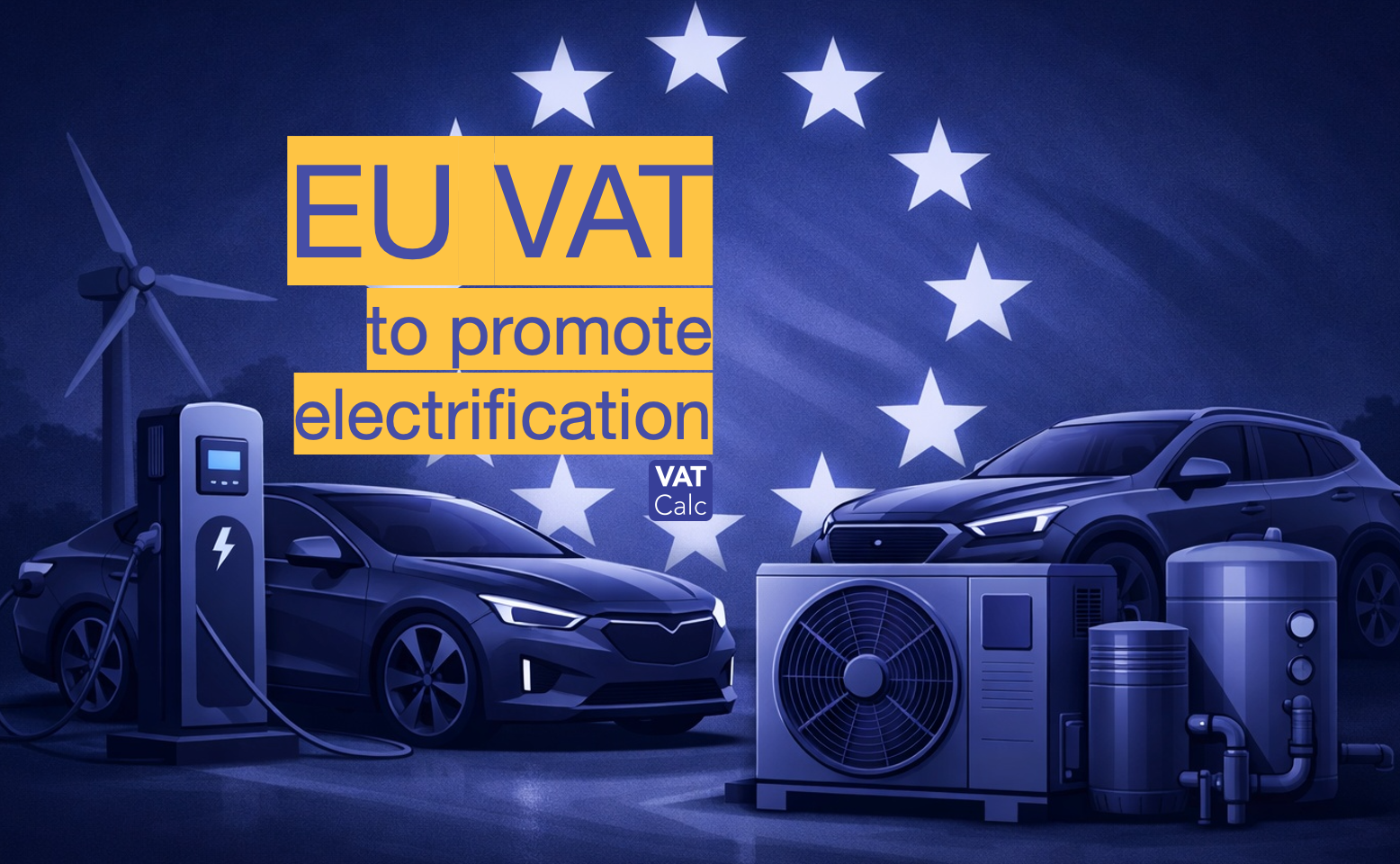
A draft Electrification Action Plan, expected on 17 July, would create a framework allowing EU member states to reduce VAT on electric vehicles (EV), household batteries and heat pumps.

The proposals come as Europe looks to reduce its dependence on imported oil and gas following the recent spike in energy prices triggered by the Iran conflict.
The measures extend Greening VAT policies already being reviewed by the European Commission.
VAT moves from revenue raiser to policy lever
For years, governments have increasingly used VAT rates to influence consumer behaviour, from hospitality and housing to renewable energy. Brussels now appears ready to push VAT further into industrial and energy policy.
Rather than simply collecting tax, VAT is increasingly being used to steer investment towards technologies policymakers want households and businesses to adopt.
The Commission believes reducing the upfront cost of EVs, batteries and heat pumps could help overcome one of the biggest barriers to electrification, even where lifetime running costs are already lower than fossil fuel alternatives.
Another step towards greater VAT flexibility
The proposal also reflects a broader trend since the EU’s 2022 VAT Rates Directive gave member states greater freedom to apply reduced rates to environmentally beneficial goods and services.
The Commission is now signalling that it expects governments to make fuller use of those powers.
Whether all member states choose to follow suit is another question. Reduced VAT rates remain politically sensitive because they directly reduce tax revenues, and many governments are already under pressure to repair public finances.
More than VAT incentives
The draft plan extends well beyond tax measures. It includes:
- stronger public procurement rules favouring electric vehicles
- possible requirements for heat pumps in public buildings, funding for industrial electrification projects; and
- the gradual removal of fossil fuel subsidies.
Taken together, the proposals underline a clear shift in EU thinking. Electrification is no longer being presented solely as a climate objective. It is increasingly being framed as an issue of economic resilience, energy security and strategic independence.