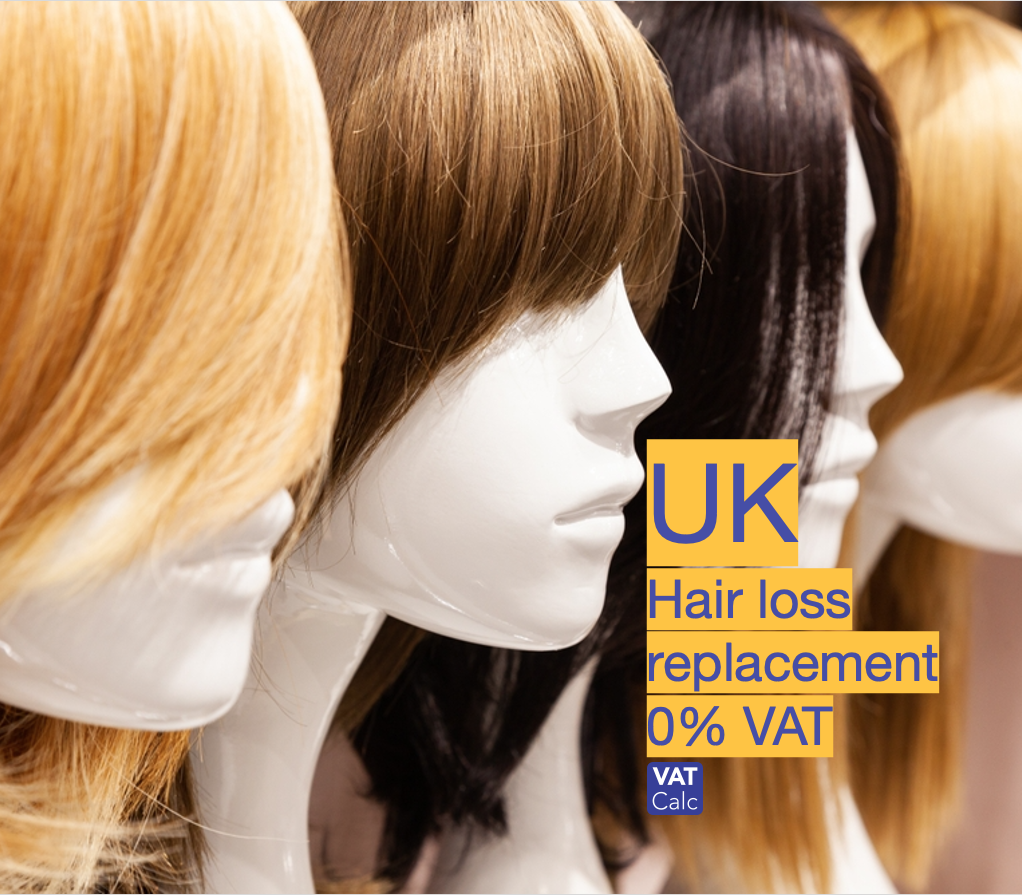
Hair today, zero tomorrow: tribunal backs VAT relief for severe female hair loss treatment
A UK tribunal decision has combed through the VAT rules and come out firmly on the side of a hair-loss treatment provider, concluding that severe female hair loss can amount to a disability for VAT purposes — unlocking zero-rating under long-overlooked provisions in Schedule 8.
-
Mark Glenn Ltd v HMRC
-
VAT at stake: £277,083 over six years
-
Issue: Whether a bespoke hair-replacement system could be zero-rated as a service supplied to a disabled person
-
Legislative hook: VATA 1994 Schedule 8 Group 12 Item 3 — adapting goods to suit a disabled person’s condition
Mark Glenn Ltd (MGL) supplied the Kinsey system, a hair-replacement technique for women with severe hair loss. Unlike a wig, the system weaves colour-matched fibres into the customer’s existing hair, creating a semi-permanent, bespoke result.
MGL zero-rated its supplies. HMRC disagreed.
First-tier Tribunal: a close shave
The Mark Glenn Ltd v HMRC decision initially sided with HMRC on two key points:
-
Hair loss, by itself, was not a chronic illness and therefore did not make the customer “disabled”.
-
The Kinsey system was a single supply of services, not an adaptation of goods.
It also rejected an argument based on fiscal neutrality, finding wigs (which can qualify for zero-rating) to be materially different from the Kinsey system. MGL appealed.
Upper Tribunal: splitting hairs — properly
The Mark Glenn Ltd v HMRC found that the FTT’s reasoning had not been sufficiently explained, particularly around why the evidence of customers’ daily distress did not demonstrate disability. Crucially, the Upper Tribunal reframed the analysis.
1) Disability is not purely physical
HMRC’s approach focused narrowly on medical or physical impairment. The UT took a broader view, recognising the social and psychological impact of severe female baldness.
It accepted that the stigma and distress associated with patchy or severe hair loss could have:
“long-term and substantial adverse effects on day-to-day activities”
In other words, disability can be social as well as clinical.
2) A service can still adapt goods
The UT also rejected the idea that because this was a service, it could not involve adapting goods. Composite supplies can include both.
The Kinsey system involved significant physical adaptation of supplied materials to suit the customer’s condition — precisely what Item 3 envisages.
With both limbs satisfied, the tribunal allowed the appeal. MGL’s supplies qualified for zero-rating.
Why wigs mattered (but didn’t win the day)
The tribunal agreed that wigs and the Kinsey system were not sufficiently similar for fiscal neutrality to force identical VAT treatment. Customers chose between them for different reasons, costs, and suitability.
But this didn’t matter. MGL won not because its product was like a wig — but because it met the specific statutory testfor adapting goods for a disabled person. A subtle but decisive distinction.
A growing line of hair-line VAT cases
This decision joins earlier cases such as:
-
Advanced Hair Technology Ltd v HMRC
Those cases considered whether hair treatments were medical care under Schedule 9. This case instead succeeded under Schedule 8 disability provisions — a different route entirely.
Why this VAT matters beyond hair
This is not really about hair. It is about how tribunals interpret “disability” and “adapting goods” in a modern social context.
The decision signals that:
-
HMRC cannot apply an overly clinical definition of disability
-
Psychological and social impacts do count
-
Composite supplies cannot be dismissed as “just services” to avoid Schedule 8
-
Businesses supplying bespoke adaptive products may have missed zero-rating opportunities
The bald truth
For years, VAT law has treated wigs as zero-rated medical aids, while newer, more sophisticated treatments were taxed at 20%. This case hair-cuts through that inconsistency.
Where a product is genuinely designed to help someone cope with a condition that materially affects daily life, VAT relief may be available — even if the condition is not traditionally viewed as a medical illness. A ruling that, for MGL, was anything but a close shave.