Brazil ‘Cashback’ personalised VAT refunds to low-income households
Brazil’s 2026-32 VAT implementation includes targeted “Cashback” relief for poorest Brazil’s 2026–2032 VAT reform introduces a targeted “Cashback” mechanism to address VAT’s regressive impact while preserving a broad tax base and largely uniform rates. Instead of relying on exemptions or reduced rates, Cashback delivers personalised VAT calculations

EU Carbon Border Adjustment Mechanism 2028 extension

EU €2 customs fee: states go early
Member States move first on panels charge; EU €3 parcel duties from July 2026 Early movers: Romania goes live; Italy to pause; France agreement; Netherlands abandons proposal 12 Dec 2026 Update: an interim EU €3 Customs Levy has been agreed to come into force from

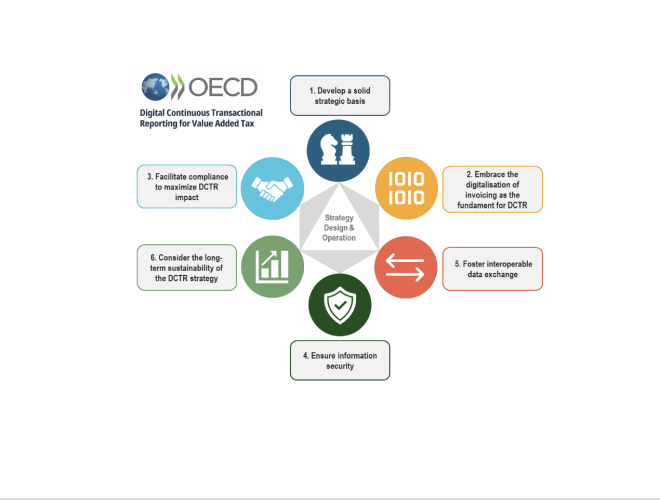
OECD Digital Continuous Transactional Reporting for VAT
Report on policy and design considerations for VAT e-invoicing & e-reporting regimes On 10 January 2026, the OECD published its report Digital Continuous Transactional Reporting for Value Added Tax. The aims to promote efficient and globally interoperable e-invoicing and e-reporting regimes for efficient tax administration and

Turkey 7.5% Digital Services Tax reduction proposal

Brazil VAT implementation Federal Revenue Service guidance
Brazil tax reform 2026 to 2032 – Federal Revenue Service issues compliance warning From 1 January 2026, Brazil’s indirect tax reform moves into its pilot implementation phase, embedding the new CBS (federal) and IBS (state/municipal) consumption taxes directly into electronic invoicing and day-to-day compliance. A

VAT electronic cash registers
Live retail reporting of VAT transactions to cut fraud In an effort to close the VAT Gap of missing tax revenues many European countries have introduced VAT e-registers in traditional retail and online e-commerce. These provide real-time or batch automated reports to the tax authorities of

Tunisia e-invoicing el fatoura extension