EU Public Prosecutor warns large-scale VAT frauds in Greece & Romania
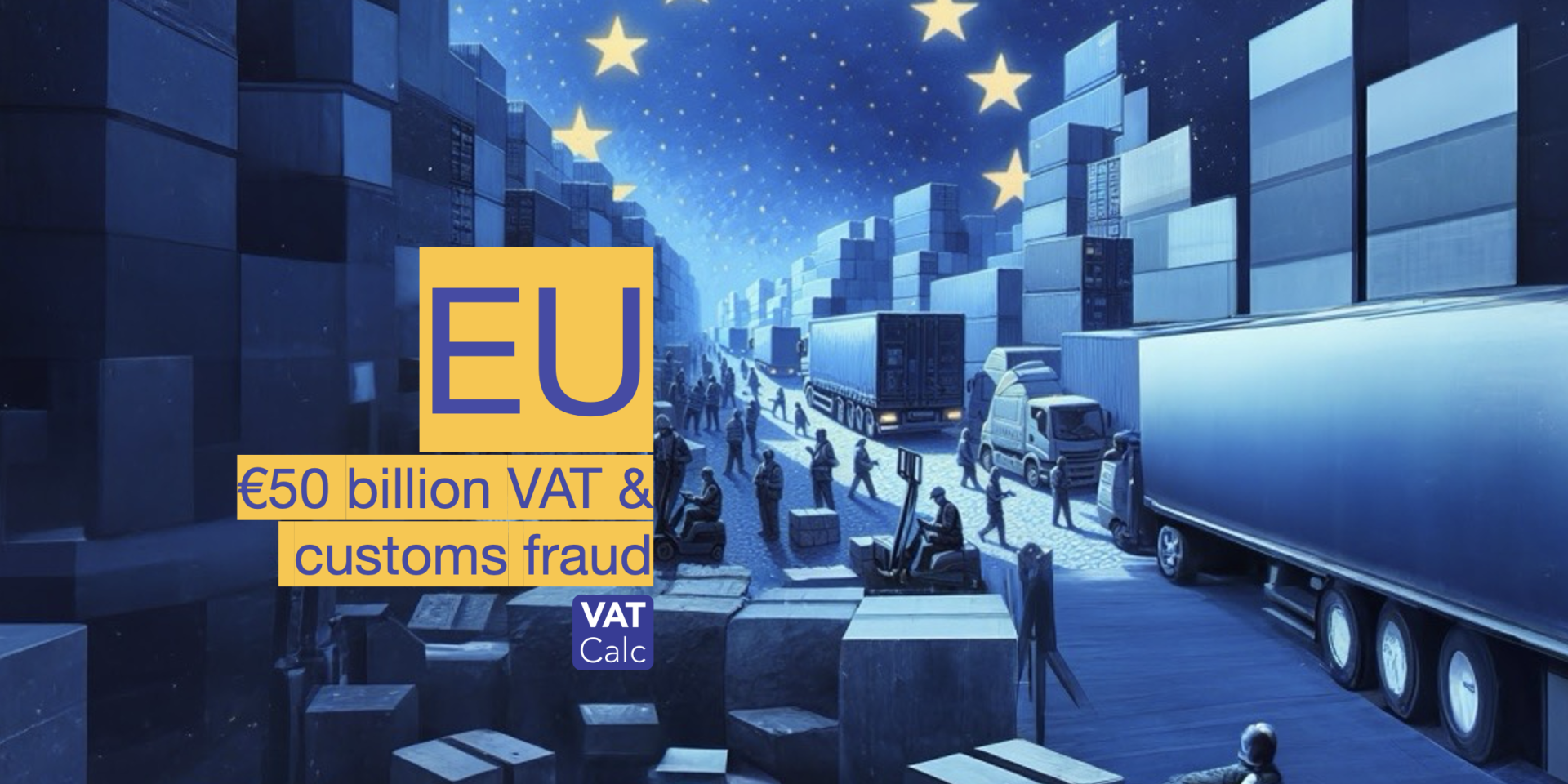
EPPO estimates EU loses €50 billion annually to VAT & customs fraud
The European Union is grappling with customs and VAT fraud on an unprecedented scale, driven by organised criminal networks that operate across borders with remarkable sophistication. According to the European Public Prosecutor’s Office (EPPO), these schemes have become some of the most profitable criminal activities in the bloc, draining an estimated €50 billion from public finances every year.
The warning came during an inspection at the port of Piraeus in Greece, where EPPO recently concluded its largest container seizure to date. What emerged was not only a case of tax evasion but the picture of a criminal ecosystem built on corruption, logistics, and the systematic exploitation of weak enforcement across Member States.
Fraud at the EU’s Front Door: Operation Calypso
Piraeus is the largest port in Greece and one of the busiest gateways for Asian goods entering the EU. It was here that EPPO launched Operation Calypso, uncovering a fraud scheme that had been running for at least eight years. The operation led to the seizure of more than 2,400 containers, largely filled with electric bicycles, textiles, and shoes. Authorities estimate that the scheme caused losses of around €350 million in customs duties and €450 million in VAT.
The investigation did not only target the operators of the fraud. Among those arrested were two customs officials accused of collusion, a reminder of how corruption often underpins these operations. Fraudsters systematically under-declared and misclassified goods, working hand in hand with corrupt intermediaries in customs offices, tax agencies, brokerage firms, and even banks.
Bigger picture: €50 Billion lost annually
Operation Calypso, although dramatic in scale, is not an isolated case. EPPO estimates that the EU loses around €50 billion each year to VAT and customs fraud. The mechanics vary but often involve undervaluing imports to reduce customs duties, carousel schemes in which VAT is claimed but never remitted, or routing goods through weak jurisdictions to avoid detection.
ViDA and 2028 Customs reforms in fighting fraud
The upcoming VAT in the Digital Age (ViDA) reforms provide an opportunity to close some of the loopholes that enable fraud on this scale. ViDA includes three main pillars: digital reporting and e-invoicing, changes to VAT rules for the platform economy, and a broader single VAT registration system.
The most relevant for tackling fraud are the Digital Reporting Requirements (DRR) and mandatory e-invoicing. These will oblige businesses to report transaction-level VAT data in near real-time across the EU. Today, the lag between transactions, invoicing, and reporting creates a window for fraudsters to manipulate invoices, disappear as “missing traders,” or shift goods across borders before tax authorities detect anomalies. Real-time reporting would close this window, giving authorities visibility and making carousel fraud much harder to execute.
The ViDA expansion of the One Stop Shop (OSS) and introduction of a single VAT registration system from July 2028 also have anti-fraud benefits. By reducing the need for multiple VAT registrations across Member States, these changes shrink the administrative complexity that fraudsters exploit with shell companies or false identities.
Finally, the shift of VAT liability to digital platforms for certain services will place responsibility on fewer, more sophisticated entities with the resources to ensure compliance. This is not a direct tool against customs fraud, but it signals a broader EU strategy of consolidating VAT collection with actors who can be more effectively supervised.
In addition, the 2028 EU Customs Reforms package has now received political agreement. It includes setting up a single customs authority, digital customs declarations and changes to the IOSS reporting process.
Romania: A Weak Link in the Chain
Among Member States, Romania stands out for its particularly high vulnerability. According to the European Commission, the country has the EU’s highest VAT shortfall, with more than 30 percent of expected VAT revenues going uncollected. The EU average is around six percent. Over 90 percent of this shortfall is attributed to fraud rather than structural exemptions or bankruptcies.
Despite this, detection and reporting of VAT fraud cases remain strikingly low. In 2024, only 12 of nearly 400 EPPO cases in Romania concerned VAT fraud, and only a handful of those were reported by the national tax authority. Most were triggered by investigations from other Member States, underscoring a lack of domestic initiative. This gap in enforcement has turned Romania into fertile ground for international criminal groups, including both European and Asian networks, who exploit the lack of oversight.
A Criminal Ecosystem
What EPPO investigations reveal is not just opportunistic fraud but an entrenched ecosystem. These groups operate across jurisdictions, often using front companies, shell intermediaries, and networks of corrupt insiders. Customs officers and tax officials are essential to keeping these schemes alive, while complicit brokers and bankers help move money through the system.
The scale of these operations is such that disputes between rival groups have spilled into violence, with intelligence pointing to planned murders linked directly to disagreements over fraud proceeds. VAT and customs fraud has thus shifted from being a purely fiscal issue into one with broader security implications.
Policy and Enforcement Challenges
The systemic nature of this fraud raises questions about how the EU should respond. Strengthening the role of EPPO is essential, but its jurisdiction does not yet extend across all Member States, leaving gaps in enforcement. Some countries have yet to join, creating safe spaces where fraudsters can operate with less scrutiny.
The VAT gap itself remains a major vulnerability. Upcoming reforms under the VAT in the Digital Age (ViDA) package—particularly digital reporting requirements and mandatory e-invoicing—could help by providing tax authorities with real-time transaction data. This would make it harder for fraudsters to conceal cross-border transactions or exploit timing gaps in reporting.
At the same time, the EU will need to deepen its cooperation with third countries, particularly given the role of Chinese networks in recent cases. Without effective international collaboration, enforcement at the EU’s borders will remain patchy.
Finally, penalties matter. VAT fraud is currently viewed by criminal networks as high-profit and relatively low-risk. Tougher sanctions and recognition of these crimes as a form of organised crime rather than administrative offences may help to change that calculus.