EU VAT data exchange: integration meets resistance
- EU policymakers are converging on broader VAT data sharing to fight fraud and simplify reporting, but Member States remain divided over confidentiality, control and architecture.
- Upcoming Irish Presidency aims to complete negotiations before end of 2026.
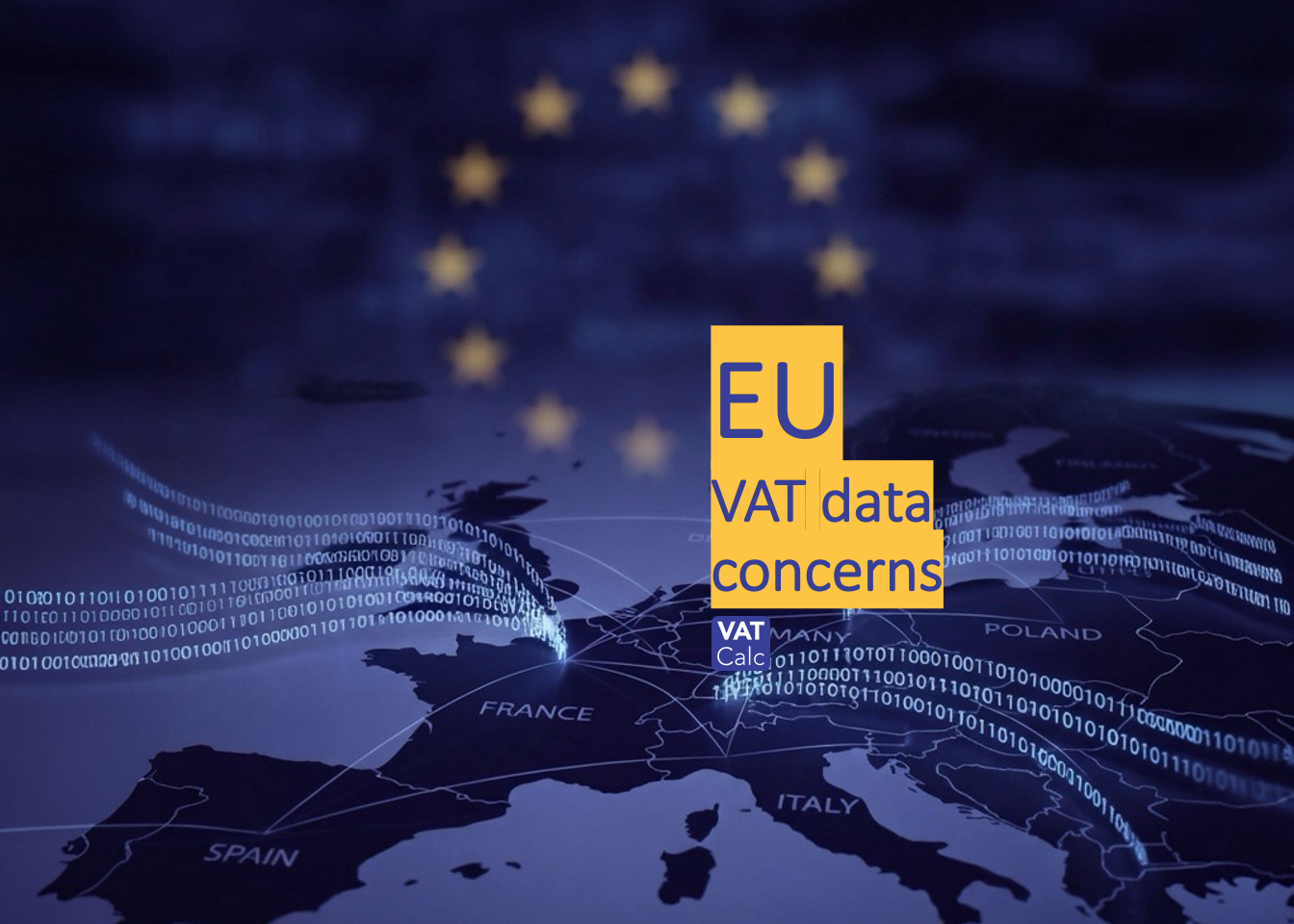
- The real policy tension is no longer whether more VAT data will be exchanged, but whether that happens through tightly controlled national exchanges or more centralised EU data hubs.

Debate as EU extends data sharing to fight VAT fraud
The second-half 2026 Presidency of the Council of the EU by Ireland has confirmed it will progress work amending the EU VAT Framework and stands ready to progress any proposals made by the Commission during our Presidency.
The debate at this March’s EU Tax Symposium showed that the future of EU VAT administration is moving in two directions at once: towards greater digital integration, but also towards sharper political and legal conflict over who controls the data.
The EU is looking to widen VAT data-sharing between member states and other enforcement bodies to strengthen anti-fraud cooperation. This includes closer coordination through Eurofisc with customs, financial intelligence units and Europol, while a separate proposal would give both the EPPO and OLAF access to VAT data held under the EU administrative cooperation rules.
That matters because the EU’s VAT in the Digital Age reforms are built on a simple premise. Better data, exchanged faster, should mean better fraud detection, fewer reporting gaps and more efficient compliance.
Hungary pushes back on open data exchange
Hungary’s intervention captured the most sceptical view. Ferenc Vágujhelyi made clear that Budapest does not support the idea of taxpayer data being treated as open or loosely shared information across Member States. His warning was practical rather than ideological: if VAT data is mishandled, trust breaks down and meaningful exchange becomes politically unworkable.
Hungary’s preference for anonymised data points to a narrower model of cooperation, one where tax administrations can still identify fraud patterns without exposing the identities and transaction flows of individual businesses. That is a notable challenge to any vision of fully transparent cross-border VAT reporting.
The Netherlands focuses on safeguards
The Dutch position is more nuanced. The Netherlands is not resisting data exchange itself, but is stressing the need for strong safeguards around it. Businesses and advisers, Dutch rep Ruben Dirks argued, should know how VAT data is being used, who is using it and for what purpose.
This is a critical point for the next generation of e-invoicing and digital reporting mandates. VAT data is not neutral. It reveals suppliers, customers, rates, trade flows and often commercially sensitive patterns. As real-time reporting expands, data governance becomes just as important as tax logic.
Ireland and the case for centralisation
Ireland’s Revenue Commissioner Ruth Kennedy raised the prospect of going further still, by exploring central EU data hubs. With ViDA already reshaping VIES, and with parallels in CESOP and customs reform, the direction of travel is increasingly towards more central repositories rather than simple bilateral exchanges.
The attraction is obvious. Businesses currently face repetitive reporting to different authorities, in different formats and at different times. A more centralised model could reduce duplication, streamline compliance and improve cross-tax risk analysis. It could also make reporting happen seamlessly through the invoicing process itself, rather than as a separate administrative burden.
What this means for business
The EU is now entering the hardest phase of VAT digitalisation. The technical question is not whether more data can be collected. It can. The harder question is how to reconcile fraud prevention, taxpayer rights, commercial confidentiality and simplification in a single framework.
For businesses, the message is clear. Future VAT compliance will depend not just on correct determination and reporting, but on control over how tax data is structured, governed and explained. That is why the next generation of VAT technology must do more than calculate tax. It must also provide traceability, auditability and secure data handling across jurisdictions.