Malaysia is preparing to require foreign e-commerce platforms to adopt its e-invoicing regime
Includes establish a local presence, extending digital tax controls into cross-border online trade

Malaysia’s Ministry of Finance is to impose e-invoicing requirements on foreign online marketplaces operating in the country. The measure was confirmed during parliamentary debate on Budget 2027 and is aimed particularly at large overseas platforms selling to Malaysian consumers.
Platforms and related vendors will also be required to establish offices in Malaysia, giving the authorities a local point of enforcement for tax, customs and wider regulatory obligations. The government specifically cited fast-growing foreign platforms such as Temu and Pinduoduo.
Foreign e-commerce platforms are already subject to Malaysia’s 10% tax on low-value imported goods. MyInvois also places significant responsibilities on marketplace operators, including issuing e-invoices or receipts to consumers and, in certain cases, self-billed e-invoices recording merchants’ income.
The latest proposal takes this further by linking participation in Malaysia’s online market more closely with its domestic digital tax infrastructure.
Foreign platforms brought inside MyInvois
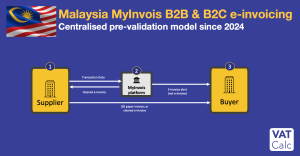
For marketplaces, that means transaction data must increasingly support several purposes: invoicing, tax determination, merchant settlement, reporting and potentially customs controls. Getting an invoice through the platform is only one part of the compliance problem.
Malaysia plans to table a wider e-commerce bill during the first parliamentary sitting of 2027, covering the responsibilities of marketplaces and sellers as well as consumer protection and cross-border trade.