
Regional tax authorities complete switch from paper invoices to government digital platforms
Through 2026, China is entering the next phase of its e-invoicing reforms, moving beyond nationwide adoption towards the gradual elimination of paper VAT invoices.
Following the nationwide rollout of fully digital e-fapiao from 1 December 2024, regional tax authorities are now withdrawing traditional paper invoices and requiring businesses to issue digital invoices through government platforms. The changes are part of China’s long-term strategy to modernise tax administration and reduce compliance costs.
Paper fapiao invoices being phased out
Several tax authorities have announced the end of paper invoice issuance during 2026:
- Zhejiang Province, the State Taxation Administration stopped accepting applications for provincial paper invoices on 30 April 2026, with the final issuance of these invoices ending on 30 June 2026. Existing invoices remain legally valid, but all new invoices are now issued electronically through the government’s digital invoice platform.
- Dalian Municipal State Taxation Administration withdrew a range of locally supervised paper invoices from 1 July 2026, replacing them with fully digital e-invoices.
These announcements demonstrate that China is steadily replacing legacy paper invoice processes with a single nationwide digital framework.
What is China’s e-fapiao?
China’s fapiao is far more than a commercial invoice. It is an official government-controlled tax document used to record taxable transactions and, in the case of VAT invoices, support input VAT recovery.
Historically there have been two principal types:
- General fapiao, used by most businesses as evidence of commercial transactions.
- Special VAT fapiao, which allows eligible businesses to recover input VAT.
For many years these invoices were issued on specially controlled paper purchased from local tax authorities, printed using approved systems and authenticated with official seals. While highly effective in combating VAT fraud, the process became increasingly burdensome as China’s economy expanded.
Fully digital invoices replace paper
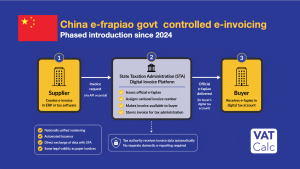
China’s fully digital e-fapiao replaces this paper-based system with invoices created and managed through the national digital tax platform.
Digital invoices include:
- nationally unified invoice numbering
- automated invoice generation
- digital tax accounts for taxpayers
- direct exchange of invoice data with tax authorities
- the same legal validity as traditional paper invoices.
Invoices can be issued electronically, transmitted directly to customers and stored digitally without requiring paper documents.
The platform also enables tax authorities to allocate invoice quotas dynamically based on each taxpayer’s compliance history, tax credit rating and business activity.
From pilot programme to nationwide digital tax administration
China first introduced electronic special e-fapiao for selected industries before gradually expanding pilot programmes province by province. The nationwide rollout completed in December 2024, when businesses across China gained access to the unified digital invoicing platform on a voluntary basis.
The latest announcements show the government’s focus has now shifted from making digital invoices available to making them the primary method of invoicing by progressively retiring paper formats.
Check VAT Calc’s global live VAT invoice transaction and e-invoice reporting tracker to see where else real-time submissions of invoices is being implemented.
Want to keep up-to-date? Sign-up for our global VAT and GST news.


