Skip links

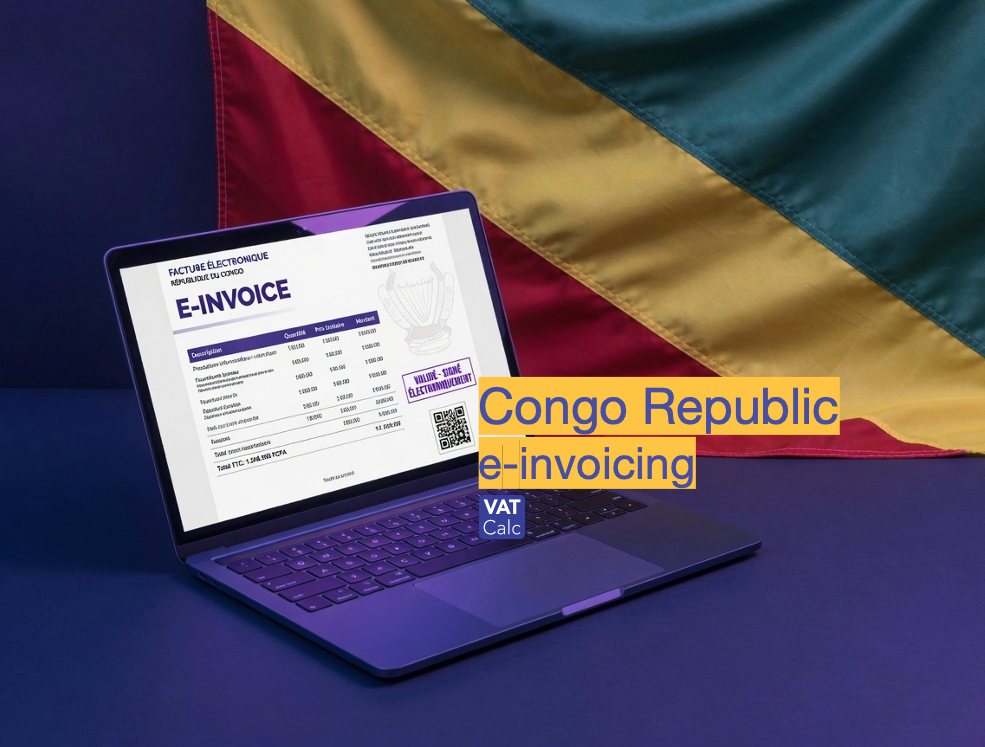
Congo Republic e-invoicing launched

Certified e-invoicing phased mandate underway August 2026 for large businesses and oil & gas

The Republic of the Congo has commenced its digital invoicing, with mandatory real-time certified e-invoicing through the SFEC platform since 1 August 2026.

Since August, the following businesses must connect their invoicing systems to the government’s Système de Facturation Électronique Certifiée (SFEC)platform and issue certified electronic invoices for commercial transactions:

  • Large and mid-sized enterprises;
  • Oil and gas businesses

Real-time certified invoicing

Under the new regime, businesses using invoicing software or electronic fiscal devices must ensure their systems are certified and connected to SFEC.

The government says the reform is intended to:

  • improve VAT collection through real-time invoice visibility
  • reduce VAT fraud and tax evasion
  • increase transparency and traceability of commercial transactions
  • broaden the national tax base.

Sept 2024: launch of VAT e-invoicing and fiscal devices 2024

The DRC has launched the first phase pilot mandatory VAT e-invoicing and fiscal devices (cash registers) on 15th September 2024. The aim is to curb Value Added Tax fraud and evasion.

This launch is for a first wave of the largest taxpayers.

The initiative was announced by by Prime Minister Jean-Michel Sama Lukonde on 16 December 2023, The Directorate General of Taxes confirmed a September launch on 5 October.

By implementing the standardised electronic invoice and electronic tax systems, the DRC hopes to stimulate economic growth and strengthen tax justice by improving revenue collection and reducing tax evasion. This reform will also broaden the country’s budget base, allowing the government to invest more in key sectors of the economy.

The new regime includes two elements:

  1. e-MCF integration of existing invoicing systems to the government; and
  2. eUF fiscal devices (Point of Sale etc) for all other taxpayers.

Middle East & Africa e-invoicing

Country Date Comments (click for details)
Algeria 2027? CTC e-invoicing mandate
Angola Jan 2026 Implementation plans being completed
Bahrain 2026? Plans progressing for launch 2025 likely
Benin 2020
Botswana 2025-26 Plans for e-invoicing
Burkina Faso Jul 2026 Certified e-invoicing mandate
Burundi 2022 E-Tax reporting
Cameroon TBA E-invoicing proposals
Cape Verde 2020 Mandatory e-invoicing
Côte d’Ivoire 2019 E-invoicing mandated for certain supplies
Congo, Republic 2024 e-invoicing and fiscal devices mandate
Egypt Sep 2021 E-invoice B2B and B2C
Eswatini TBC E-invoicing tender issued
Ethiopia TBC E-invoicing framework adopted
Gabon Jul 2026 E-invoicing mandated for deductibility
Gambia TBC e-invoicing proposals
Ghana 2022 Phased rollout of mandatory E-VAT invoicing regime
Israel 5 May 2024 Pre-clearance to follow Chile model
Jordan Apr 2025 Pre-clearance e-invoices and pre-filled VAT returns
Kenya Aug 2021 TIMS e-invoice
Lesotho Aug 2026 B2B e-invoicing
Madagascar 2025? E-invoicing mandate
Mauritania Oct 2023 Launch of e-invoices
Mauritius May 2024 Mandatory e-invoicing
Malawi May 2026 E-billing introduction
Morocco 2026 B2B mandate proposal
Namibia TBC E-invoicing proposals
Niger 2021 Mandatory electronic invoices for all taxpayers
Nigeria Nov 2025 B2B e-invoicing & B2C e-reporting
Oman 2026 Launch B2B Peppol e-invoicing
Qatar TBC E-invoicing draft law
Rwanda 2021 Mandatory e-invoicing for all taxpayers
Saudi Arabia Dec 2021 Pre-clearance e-invoicing
Senegal TBC Mandatory e-invoicing proposal
Seychelles TBC e-invoicing plans progress
South Africa 2030 E-invoicing, digital reporting and pre-filled returns consultation
Tanzania 2022 VFD pre-clearance e-invoicing
Togo TBC Certified e-invoicing announced
Tunisia Jul 2025 B2B and B2C e-invoices
UAE Jan 2027 E-invoice regime
Uganda Jun 2022 Pre-clearance e-invoice and fiscal cash registers
Zambia Jul 2024 E-invoicing introduction

Newsletter

Get our latest news right in your mailbox

Subscribe

* indicates required